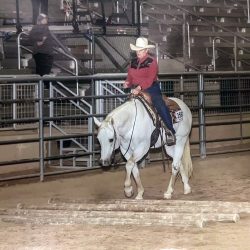
The American cowboy holds a special place in the cultural identity of the United States. Originating from the Spanish vaqueros who worked on ranches in the Southwest and later evolving into its own distinct figure, the cowboy became synonymous with the American West during the late 19th and early 20th centuries. Here are some key aspects of the American cowboy:
- History: The cowboy tradition has its roots in the early Spanish settlers of the American Southwest, who brought their cattle ranching techniques with them. Over time, these techniques merged with those of Mexican vaqueros and Native American horsemanship to form the cowboy culture that we recognize today.
- Lifestyle: Cowboys were typically employed to tend to cattle on ranches across the American West. Their duties included herding cattle, branding, roping, and general ranch maintenance. The cowboy way of life was characterized by long hours of hard work, often in harsh environmental conditions.
- Attire: The iconic cowboy attire includes a wide-brimmed hat to shield from the sun, a bandana to protect from dust, a long-sleeved shirt, durable pants (often jeans), cowboy boots with heels to keep feet secure in stirrups, and a leather belt with a buckle. The clothing was practical for the demands of ranch work and also became a symbol of cowboy culture.
- Skills: Cowboys were skilled horsemen, proficient in riding and handling horses, as well as roping and working cattle. They developed techniques such as “cutting” to separate cattle from the herd, “roping” to capture cattle, and “branding” to mark ownership of livestock.
- Code of Conduct: The cowboy way of life was often governed by an unwritten code of conduct known as the “cowboy code” or “cowboy ethics.” This code emphasized values such as honesty, integrity, hard work, loyalty, and respect for the land and animals.
- Mythology and Pop Culture: The image of the cowboy has been romanticized in literature, film, and other forms of popular culture. Cowboys have been portrayed as rugged individualists, embodying the spirit of adventure and freedom associated with the American frontier.
- Legacy: While the era of the classic cowboy has largely passed, the image and spirit of the American cowboy continue to endure as a symbol of the American West and its values of independence, resilience, and hard work.
Overall, the American cowboy represents a unique chapter in American history and continues to captivate imaginations around the world with its iconic imagery and enduring legacy.